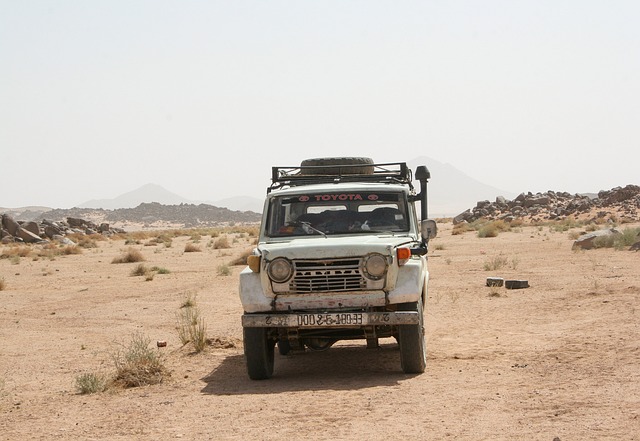


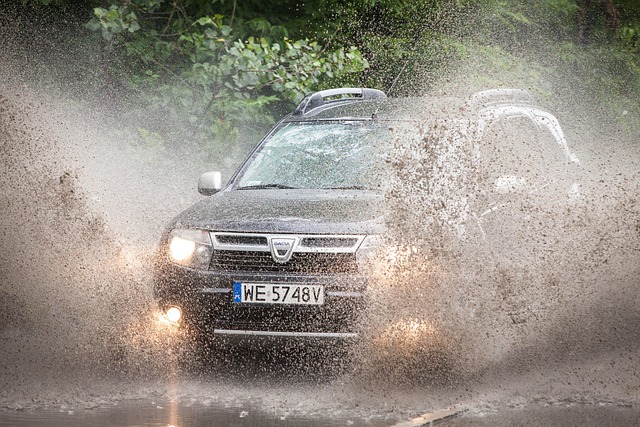
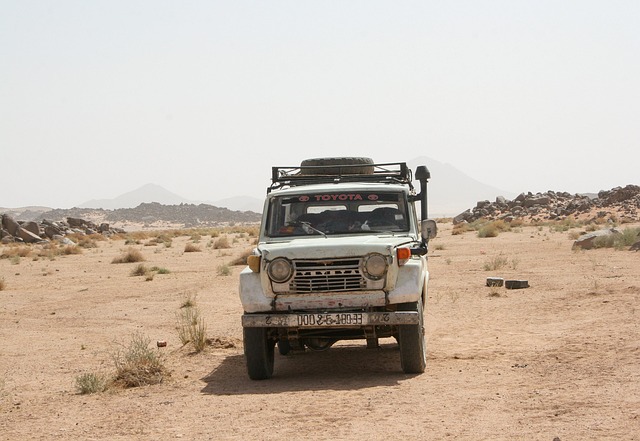
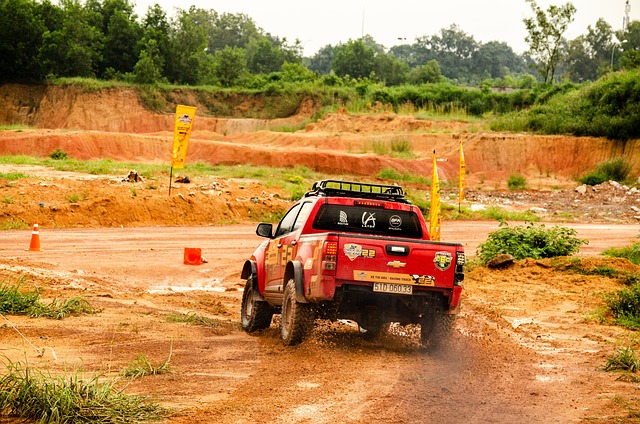

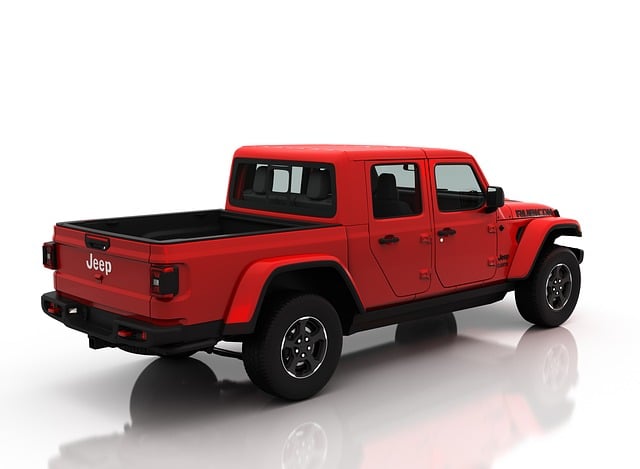

McAllen-off-road-communities have become a thriving ecosystem for outdoor enthusiasts, offering a unique blend of rugged terrain and tight-knit social circles. Within these communities, one essential accessory stands out: the hitch ball. This simple yet versatile attachment plays a pivotal role in enhancing the off-roading experience, facilitating the transport of various gear and accessories. This article delves into the world of McAllen-off-road-communities, exploring the significance of hitch balls, their diverse applications, and the vibrant social fabric that surrounds this off-road lifestyle.
Understanding McAllen-Off-Road-Communities
The McAllen Off-Road Culture
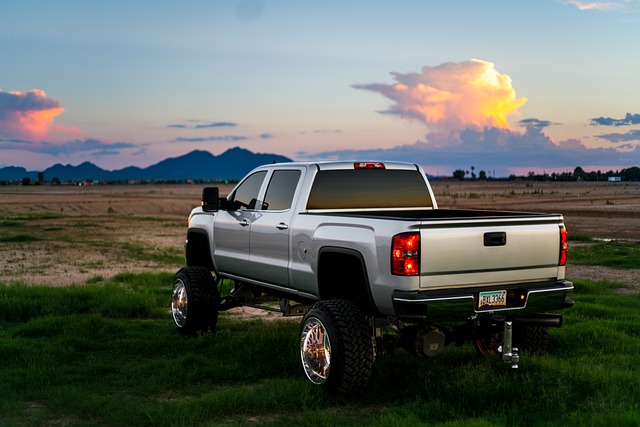
McAllen, located in the heart of South Texas, has evolved into a hub for off-road enthusiasts thanks to its vast, untouched natural landscapes. The region’s rugged terrain, including dense forests, expansive deserts, and winding rivers, provides the perfect playground for 4×4 owners, ATV riders, and off-road motorcyclists.
Community Spirit and Collaboration
What sets McAllen-off-road-communities apart is the strong sense of camaraderie and collaboration among members. These communities often organize regular events, including trail rides, gear swaps, and skill-sharing workshops, fostering a deep-rooted social fabric. Members share knowledge, resources, and their passion for exploring the great outdoors, creating a supportive network.
The Role of Hitch Balls
In the context of McAllen-off-road-communities, hitch balls emerge as a crucial component of the off-roading experience. They serve multiple purposes, from securing cargo to facilitating group outings, ultimately enhancing the overall enjoyment and accessibility of off-road adventures.
What Are Hitch Balls and Why Are They Important?
Definition and Basic Functionality
A hitch ball is a metal component designed to attach to a vehicle’s receiver hitch, allowing for the secure mounting of trailers, cargo carriers, or other accessories. It consists of a spherical ball and a shank with a threaded end that screws into the receiver hitch.
Key Benefits in Off-Road Settings
-
Cargo Securement: Hitch balls enable off-roaders to transport essential gear, such as spare tires, camping equipment, or hunting supplies, securely behind their vehicles. This ensures that valuable items remain safely attached during rough terrain and sharp turns.
-
Facilitating Group Trips: For group off-road adventures, hitch balls become a communal asset. They allow vehicles to tow shared trailers, catering to the diverse needs of the group, from food and water to additional off-road vehicles.
-
Versatility: Hitch balls can be used with various attachments, including tow hitches, bike racks, and cargo nets, making them versatile tools for different off-road scenarios.
Types of Hitch Balls and Their Applications
Standard Hitch Balls
Standard hitch balls are the most common type, featuring a 2-inch or 3-inch ball diameter. They are suitable for a wide range of vehicles and applications, making them a popular choice among general off-roaders. These balls are ideal for securing medium-sized trailers and cargo carriers.
Customized Hitch Balls
For specialized needs, customized hitch balls offer unique ball sizes and designs. Larger balls (e.g., 4-inch or 5-inch) are used for heavy-duty towing, while smaller, specialized balls cater to specific attachments like bike racks. Customized balls provide a tailored solution for niche off-road activities.
Towing and Trailering
Hitch balls excel in towing and trailering applications. They enable off-roaders to pull trailers loaded with camping gear, vehicles for recovery, or even small boats. The secure attachment ensures a smooth ride, even on challenging trails.
Cargo Carrier Attachments
These balls are also used with cargo carriers, allowing off-roaders to transport oversized items or large quantities of supplies. By securing the cargo carrier to the hitch ball, they can confidently navigate rough terrain without the fear of cargo shifting.
Choosing the Right Hitch Ball
Factors to Consider
Selecting the appropriate hitch ball involves considering several factors:
-
Vehicle Compatibility: Ensure the hitch ball is compatible with your vehicle’s receiver hitch size and weight capacity.
-
Application: Determine the primary use, whether it’s towing a trailer, securing cargo, or attaching accessories.
-
Ball Size: Ball sizes vary, with 2-inch and 3-inch being standard, while 4-inch and larger balls are for specialized needs.
-
Quality and Construction: Opt for high-quality materials and robust construction to withstand the demands of off-road use.
Making an Informed Decision
Researching different brands and reading reviews from fellow off-roaders can help you make an informed decision. Consider seeking advice from members of McAllen-off-road-communities, who can offer valuable insights based on their experiences.
Maintenance and Safety Tips
Regular Inspection
Regularly inspect your hitch ball and associated hardware for any signs of wear or damage. Check the ball, shank, and receiver hitch for corrosion, ensuring all components are securely fastened.
Cleaning and Lubrication
Keep your hitch ball clean and lubricated to prevent rust and ensure smooth attachment. Regular cleaning also helps maintain the ball’s reflective properties, enhancing visibility during low-light conditions.
Weight Limits and Capacity
Understand the weight limits and capacity of your hitch ball and trailer combination. Exceeding these limits can lead to safety hazards and potential vehicle damage. Always refer to manufacturer guidelines.
Emergency Preparedness
Consider carrying emergency tools, such as a set of wrenches, in case of unexpected issues while on an off-road adventure. Knowing how to remove a hitch ball in an emergency can be a valuable skill.
Frequently Asked Questions (FAQs)
1. How do I install a hitch ball on my vehicle?
Installing a hitch ball involves several steps, including identifying your vehicle’s receiver hitch, choosing the correct ball size, and securely attaching the ball and shank using the provided hardware. It’s recommended to have a helper for the best results, and you should always consult your vehicle’s manual for specific instructions.
2. Can I use a standard hitch ball for heavy-duty towing?
While standard hitch balls are suitable for a wide range of applications, they may not be robust enough for heavy-duty towing, especially for large trailers or heavy loads. Consider customized hitch balls with larger ball diameters for such tasks, ensuring a secure and safe connection.
3. How do I choose the right ball size for my needs?
The ball size should align with your intended use. Standard 2-inch or 3-inch balls are versatile and suitable for many off-road needs. For specialized applications like heavy towing or specific attachments, choose customized balls with the appropriate ball size.
4. Are hitch balls easy to maintain?
Hitch balls require minimal maintenance, primarily involving regular cleaning and lubrication. Inspect them periodically for wear and damage, ensuring all hardware remains secure. Proper maintenance extends the lifespan of your hitch ball and ensures reliable performance.
5. Can I use a hitch ball for off-road adventures with my family?
Absolutely! Hitch balls are versatile and can enhance family off-road experiences. They enable you to tow small trailers with camping gear, ensuring a comfortable and enjoyable trip for everyone. Just ensure the ball and trailer are rated for the combined weight and consider safety features like stabilizers.
Conclusion
McAllen-off-road-communities represent a unique blend of outdoor passion, social connection, and practical innovation. Hitch balls, as a cornerstone of these communities, underscore the importance of functional accessories in enhancing the off-roading experience. From securing cargo to facilitating group outings, hitch balls contribute to the overall accessibility and enjoyment of off-road adventures. As these communities continue to grow, the humble hitch ball remains a symbol of collaboration, resourcefulness, and the unyielding spirit of exploration.