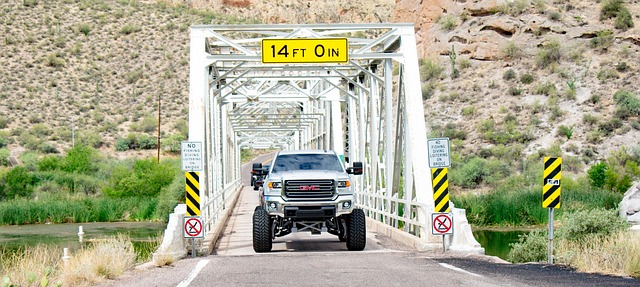








In the world of 4×4 vehicles, where rugged terrain is the norm, understanding advanced safety systems like Anti-lock Braking Systems (ABS) is crucial. Expert-on-4×4-Brownsville, a renowned authority on all things 4×4, offers deep insights into the intricacies of ABS sensors, ensuring drivers navigate challenging roads with confidence and safety. This article delves into the essential role of ABS sensors, their maintenance, and troubleshooting, empowering 4×4 enthusiasts with vital knowledge.
Understanding ABS Sensors: The Foundation of Safe Driving
What are ABS Sensors?
ABS sensors, also known as wheel speed sensors, are critical components of a 4×4’s braking system. These sensors are strategically placed near each wheel and play a vital role in monitoring the rotational speed of each wheel during braking. The data they provide enables the ABS to function effectively, ensuring wheels don’t lock up and providing better control on slippery surfaces.
Why are ABS Sensors Essential?
- Improved Braking Performance: ABS sensors allow the system to adjust brake pressure individually on each wheel, preventing skidding and improving overall stopping power.
- Enhanced Safety: By preventing wheel lockup, ABS sensors reduce the risk of accidents, especially in adverse weather conditions or on unpaved roads.
- Optimal Traction: On 4×4 vehicles, where traction is key, ABS sensors enable better control, allowing drivers to navigate challenging terrain with confidence.
How ABS Sensors Work: A Technical Overview
ABS sensors function by transmitting data to the vehicle’s control unit, which continuously monitors wheel speed. When a sensor detects a potential lockup, it sends a signal to the ABS module, which then adjusts the brake pressure to maintain wheel rotation. This process occurs in fractions of a second, ensuring a smooth and controlled stop.
Components of an ABS System:
- ABS Sensors: These are the eyes of the system, monitoring wheel speed.
- ABS Module: The brain of the system, receiving data from sensors and calculating necessary adjustments.
- Wheel Cylinders: These devices apply or release brake pressure on individual wheels.
- Brake Lines: They transmit brake fluid pressure to the wheel cylinders.
Common ABS Sensor Issues and Troubleshooting
When to Seek Expert Assistance
While minor issues can sometimes be self-diagnosed, ABS sensor problems should be taken seriously. If you notice any of the following, consult an expert like Expert-on-4×4-Brownsville:
- Unusual Brake Vibration: A pulsing or pulsating sensation while braking could indicate a faulty sensor or wheel problem.
- Warning Light: A persistent ABS warning light on your dashboard signals a potential issue that requires professional attention.
- Reduced Braking Performance: If you feel your brakes are less effective, especially in emergency stops, an ABS sensor problem is a likely culprit.
- Unusual Tire Wear: Uneven tire wear patterns can be a result of ABS sensor malfunction, affecting vehicle handling and stability.
Common ABS Sensor Troubleshooting Tips:
- Check for Obstruction: Ensure there’s nothing blocking the sensor, as debris or dirt can interfere with its operation.
- Inspect Wiring: Damage or loose connections can cause sensor issues. Regularly inspect the wiring for any signs of wear or damage.
- Clean or Replace Sensors: Over time, sensors can accumulate dirt or corrosion, impacting their performance. Cleaning or replacing them may resolve the problem.
- Verify Calibration: ABS sensors must be calibrated for optimal performance. An expert can perform this task if necessary.
Maintaining ABS Sensors for Optimal Performance
Regular maintenance is key to keeping ABS sensors in top condition. Here are some expert-recommended practices:
- Regular Inspection: Schedule periodic checks during routine vehicle servicing to ensure sensors are in good working order.
- Flush Brake Fluid: Contaminated brake fluid can affect sensor performance. Flushing the system regularly helps maintain sensor integrity.
- Monitor Tire Pressure: Correct tire pressure is essential for ABS sensors to function accurately. Check tire pressure regularly and maintain it at the recommended level.
- Avoid Harsh Braking: Aggressive braking can put additional stress on ABS sensors. Smooth and controlled braking maneuvers are best for maintaining sensor health.
FAQ: ABS Sensors and Your 4×4
Q: Can I drive my 4×4 with a faulty ABS sensor?
A: It’s not recommended. A faulty ABS sensor can compromise your vehicle’s safety, especially on slippery or uneven roads. Driving with a known ABS issue could lead to accidents or worse. Always address ABS sensor problems promptly.
Q: How often should I replace ABS sensors?
A: The lifespan of ABS sensors varies, but most manufacturers recommend replacing them every 50,000 to 100,000 miles or during major brake service intervals. Regular maintenance and checks can extend their life.
Q: What causes ABS sensors to fail?
A: Several factors contribute to ABS sensor failure, including contamination from brake fluid or dirt, physical damage, corrosion, and wear over time. Extreme temperatures and aggressive driving conditions can also accelerate sensor degradation.
Q: Can I diagnose ABS sensor problems on my own?
A: Basic troubleshooting is possible, but for accurate diagnosis, an expert is recommended. ABS systems are complex, and issues may not always be apparent to a layperson. An expert like Expert-on-4×4-Brownsville has the tools and knowledge to pinpoint the problem.
Q: How much does ABS sensor replacement cost?
A: The cost varies based on the vehicle’s make and model, but on average, replacing an ABS sensor can range from $100 to $300 per sensor, not including labor. It’s best to consult a professional for an accurate estimate.
Conclusion: Navigating 4×4 Safety with Expert Guidance
In the realm of 4×4 vehicles, ABS sensors are unsung heroes, ensuring drivers maintain control and safety on challenging terrain. By understanding the role, function, and potential issues of ABS sensors, 4×4 enthusiasts can make informed decisions. Expert-on-4×4-Brownsville highlights the importance of regular maintenance and prompt attention to any sensor problems. With their expertise, drivers can confidently navigate rugged roads, knowing their 4×4’s safety systems are in top working order.
Remember, when it comes to ABS sensors and 4×4 performance, knowledge is power. Stay informed, maintain your vehicle regularly, and seek expert advice when needed to ensure a safe and enjoyable off-road adventure.