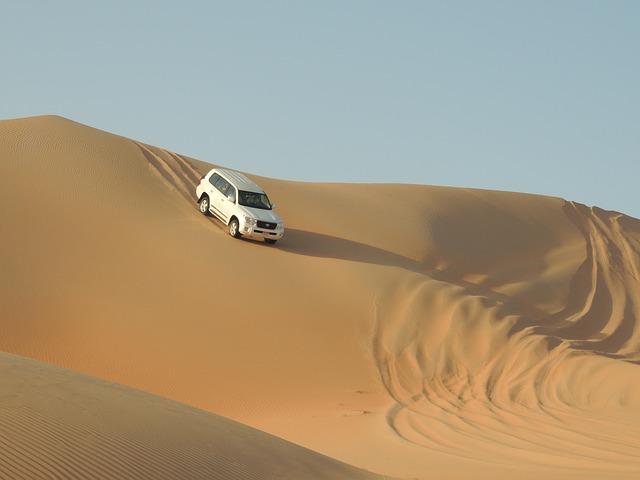
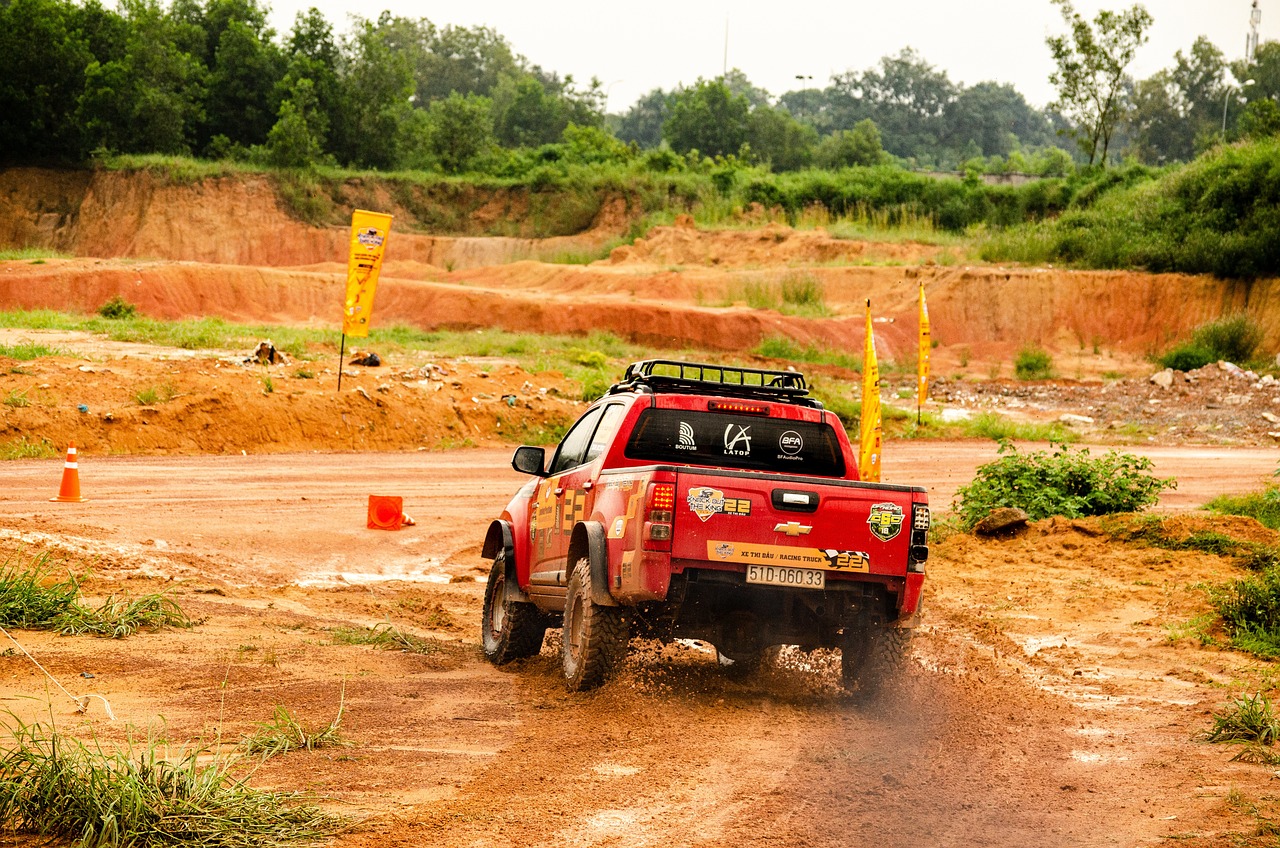
Brownsville-Overlanding-Planning requires meticulous preparation, especially when venturing off the beaten path. Among the critical components of your overlanding setup are reliable brake pads, ensuring safe and controlled stops during your journey. This comprehensive guide will walk you through everything you need to know about choosing, maintaining, and understanding brake pads for your overlanding adventures in Brownsville or beyond.
Understanding Brake Pads: The Foundation of Safe Stopping
Brake pads are a vital part of your vehicle’s braking system, responsible for converting the kinetic energy of a moving vehicle into heat, thereby slowing it down. In off-road and overlanding scenarios, where terrain can be unpredictable and varied, having high-quality brake pads is crucial for safety and control.
Types of Brake Pads
Organic/Non-Asbestos: These are the most common type, offering a balance between performance and cost. They are suitable for mild to moderate braking demands but may not handle extreme conditions as well.
Semi-Metal: Known for their durability and heat dissipation capabilities, semi-metal pads offer better stopping power than organics, making them ideal for high-performance driving or off-roading.
Metal (Copper or Steel): These pads are designed for rugged applications, offering exceptional strength and heat resistance. However, they can be noisier and may wear faster due to their hardness.
Key Performance Factors
- Braking Power: The pad’s ability to slow down the vehicle efficiently.
- Heat Resistance: Crucial for off-road adventures, pads should maintain performance even after prolonged exposure to high temperatures.
- Soot and Dust Resistance: Preventing accumulation of soot and dust on pads improves braking efficiency.
- Noise Level: Quiet operation is preferred, especially in remote areas where noise can carry for long distances.
- Wear Rate: A slower wear rate ensures longer pad life, reducing the need for frequent replacements during your journey.
Brownsville-Overlanding-Planning: Choosing the Right Brake Pads
Selecting the appropriate brake pads for your overlanding trip involves several considerations. Here’s a step-by-step guide to ensure you make an informed decision:
1. Assess Your Driving and Terrain Conditions
-
Driving Style: Do you primarily drive on highways or frequently encounter steep off-road trails? Knowing your typical driving conditions will help determine the pad type best suited for your needs.
-
Terrain: The surface over which you’ll be braking matters. Rough, uneven terrain demands pads with superior heat dissipation and wear resistance.
2. Understand Your Vehicle’s Braking System
Familiarize yourself with your vehicle’s braking setup, including caliper type (disc or drum), rotor size, and maximum brake pressure. This knowledge ensures compatibility between your vehicle and the chosen brake pads.
3. Consider Weather and Climate
If you plan on overlanding in regions with extreme temperatures, choose pads designed for those conditions. Cold weather can affect braking performance, while hot climates may cause pads to wear down faster.
4. Check for Noise and Vibration Issues
Some brake pads are more prone to squealing or vibrations than others. If noise is a concern, opt for pads specifically designed for quiet operation.
5. Budget and Maintenance Considerations
Different pad types come with varying price tags. High-performance pads might offer superior protection but could be more expensive. Also, consider the maintenance aspect; some pads require more frequent replacement than others.
Installation and Maintenance Tips for Optimal Performance
Proper installation and regular maintenance are essential to ensure your brake pads provide consistent and reliable braking power throughout your overlanding journey:
Step-by-Step Installation Guide
-
Safety First: Ensure the vehicle is parked on a level surface, apply the parking brake, and block wheels to prevent accidental movement.
-
Remove Wheels: Take off the wheels and tires to access the brake assembly.
-
Inspect Components: Check for any signs of damage or wear on rotors, calipers, and pads before installing new pads.
-
Install Pads: Position the new pads into the caliper, ensuring they are correctly aligned with the rotor.
-
Torque Calipers (if applicable): If your calipers have torque-to-yield bolts, tighten them to the specified torque using a torque wrench.
-
Reinstall Wheels: Put the wheels back on, ensure proper torque, and check for any leaks or unusual noises.
Maintenance Tips
-
Regular Inspections: Inspect pads and rotors for wear, corrosion, or damage at regular intervals. Overlanding trips may expose your vehicle to harsh conditions, necessitating more frequent checks.
-
Lubrication: Some caliper pins and slides benefit from light lubrication to reduce friction and wear. Use a silicone-based lubricant designed for automotive applications.
-
Keep Pads Clean: Remove any dirt or debris from the pads and rotors after each use to maintain optimal braking efficiency.
-
Monitor Brake Fluid: Check your brake fluid level regularly, as it plays a crucial role in padding performance and heat transfer. Top up with the recommended type of brake fluid for your vehicle.
Troubleshooting Common Brake Pad Issues
During your overlanding journey, you may encounter problems related to brake pads. Here’s how to identify and address some common issues:
-
Squealing Sounds: This often indicates worn-out pads or misaligned rotors. Inspect the pads for wear and ensure proper rotor alignment.
-
Vibration During Braking: Vibration can signal warped rotors, worn calipers, or improper pad alignment. Have your brakes inspected by a professional for any necessary repairs.
-
Soft or Squishy Brakes: If the pedal feels soft or goes to the floor before stopping, it could indicate low brake fluid, air in the system, or severely worn pads. Pull over safely and check your brake fluid level and condition.
FAQ: Answering Your Brownsville-Overlanding-Planning Questions
1. How often should I replace my brake pads during an overlanding trip?
During a typical overlanding journey, plan for pad replacement every 30,000 to 50,000 miles (or as recommended by the manufacturer). Longer trips or more demanding terrain may require more frequent checks and replacements.
2. Can I use my regular vehicle maintenance pads for off-road adventures?
While regular maintenance pads might suffice for mild off-roading, they may not handle the harsh conditions and varied terrains encountered during extended overlanding trips. Consider investing in high-quality off-road or performance pads designed to withstand extreme demands.
3. How can I prolong the life of my brake pads?
Regular maintenance is key to extending pad life. Keep your brakes clean, lubricate caliper components if needed, and maintain proper fluid levels. Avoid abrupt braking and try to maintain consistent speed while descending steep slopes to reduce wear.
Conclusion: Embracing Safe Stopping on Your Brownsville Adventure
Brownsville-Overlanding-Planning demands meticulous attention to detail, especially when it comes to essential components like brake pads. By understanding the types, performance factors, and maintenance requirements of brake pads, you can ensure a safe and enjoyable overlanding experience. Choosing the right pads, installing them correctly, and maintaining them properly will allow you to conquer any terrain with confidence.
Remember, safe stopping is not just about the pads; it’s an integral part of your overall safety strategy during off-road adventures. Always prioritize safety, be prepared for unexpected challenges, and enjoy the freedom that responsible overlanding provides.