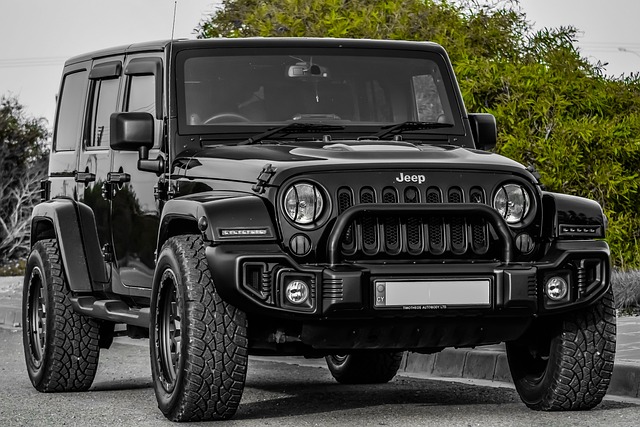




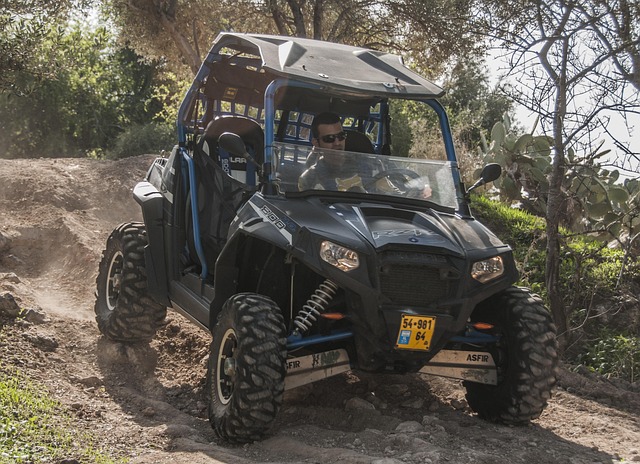

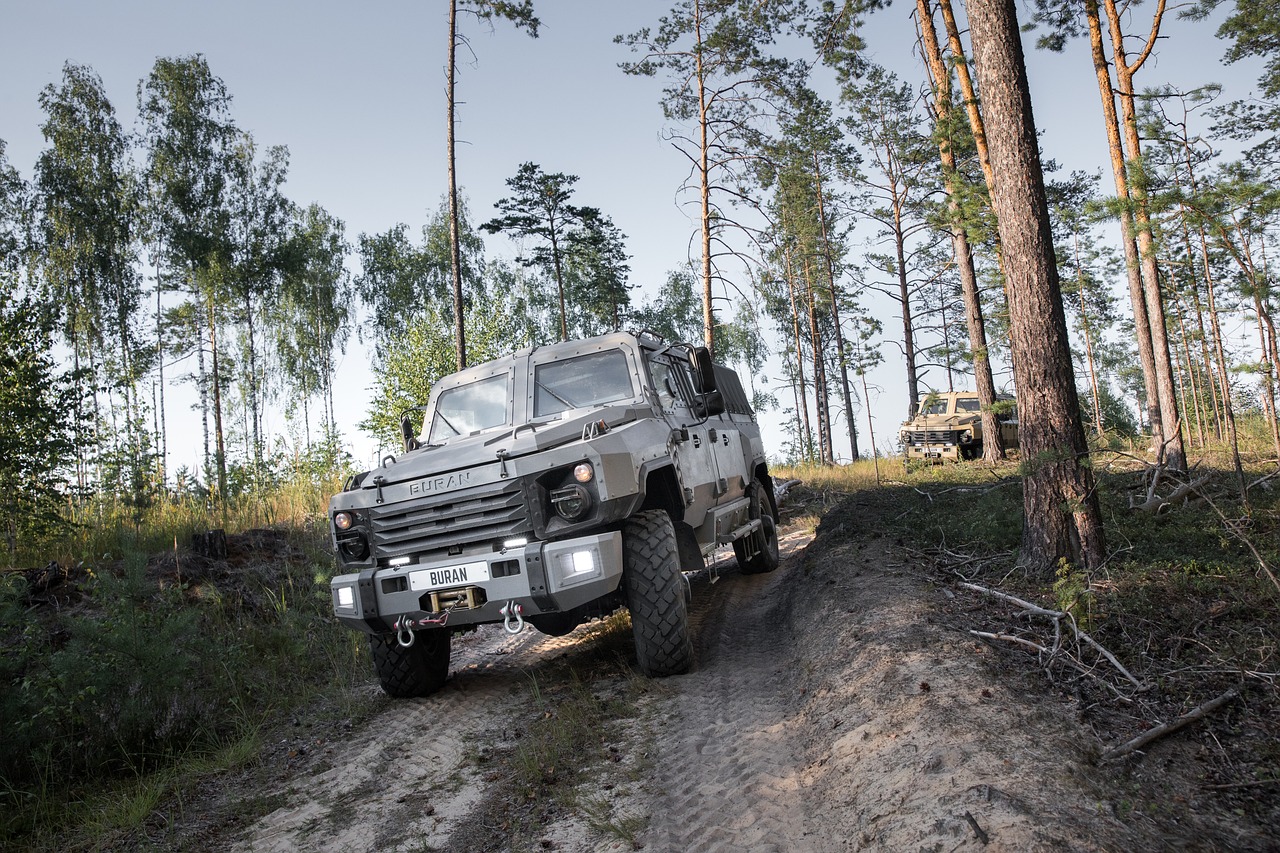
Brownsville-fleet-Truck-winches are not just about mechanical strength; they are a testament to the fusion of technology and innovation in the transportation industry. Among the various components that elevate these trucks, off-road lighting stands out as a critical feature, enhancing visibility and safety in challenging terrain. This article delves into the significance of off-road lighting in Brownsville-fleet-Truck-winches, exploring how it contributes to better driving experiences, improved safety, and enhanced operational efficiency.
Understanding Off-Road Lighting: A Necessity, Not a Luxury
The Challenges of Nighttime and Off-Terrain Driving
Nighttime driving and navigating off-road terrains present unique challenges. Lack of natural light demands robust artificial illumination, while rugged landscapes can obscure visibility, creating potential hazards. Traditional vehicle lighting systems often fall short in these scenarios, leading to reduced safety and efficiency.
The Role of Off-Road Lighting in Brownsville-Fleet-Truck-Winches
Off-road lighting in Brownsville-fleet-Truck-winches is designed to overcome these challenges. It includes specialized headlights, fog lights, and work lights that provide intense, focused beams, illuminating dark paths, hidden obstacles, and steep inclines. This advanced lighting technology allows drivers to navigate with confidence, even in the most demanding conditions.
Types of Off-Road Lighting Systems in Brownsville-Fleet-Truck-Winches
1. Headlights: Illuminating the Way Forward
Headlights are the primary source of forward lighting, enabling drivers to see the road ahead clearly. High-intensity LED headlights, a common feature in Brownsville-fleet-Truck-winches, offer superior brightness and long-lasting performance. They are designed to project a wide, even beam, ensuring maximum visibility without causing blind spots.
2. Fog Lights: Cutting Through Mist and Smoke
Fog lights, strategically positioned at the front and sometimes the rear of the vehicle, are crucial for visibility in dense fog, heavy rain, or smoky conditions. These lights are designed to produce a focused, cut-through beam that penetrates the low-visibility environment, providing drivers with a clearer view of the road and potential hazards.
3. Work Lights: Versatile Illumination for Various Tasks
Work lights, often mounted on the sides or rear of the truck, offer versatile illumination for off-road tasks. These lights are designed to withstand harsh conditions and provide a powerful, focused beam for tasks like setting up camp, repairing equipment, or working in remote areas with limited natural light.
Advantages of Advanced Off-Road Lighting in Brownsville-Fleet-Truck-Winches
1. Improved Safety
Well-lit vehicles offer enhanced safety for drivers and passengers. Off-road lighting systems help identify potential dangers, such as wildlife, fallen trees, or hidden potholes, giving drivers time to react and avoid accidents. Moreover, improved lighting reduces the risk of collisions, especially in low-visibility conditions.
2. Enhanced Operational Efficiency
Advanced lighting systems enable more efficient operations, particularly in off-road construction, mining, and logging sectors. They facilitate faster, safer work by providing clear visibility for complex tasks. This leads to increased productivity, reduced downtime, and better overall operational performance.
3. Increased Versatility
Brownsville-fleet-Truck-winches equipped with versatile off-road lighting systems can handle a broader range of tasks and terrains. Whether it’s exploring uncharted areas, assisting in rescue missions, or working in remote locations, the adaptability of these lighting systems expands the capabilities of the vehicles.
Choosing the Right Off-Road Lighting for Your Brownsville-Fleet-Truck-Winches
Factors to Consider
When selecting off-road lighting for your Brownsville-fleet-Truck-winches, several factors should guide your decision:
-
Lighting Technology: LED lights offer superior brightness, longevity, and energy efficiency compared to halogen or incandescent bulbs.
-
Lumen Output: Higher lumen output indicates brighter light. Choose lights with enough lumens for your specific off-road needs.
-
Beam Pattern: Different beam patterns offer various lighting options. Consider the width and intensity of the beam to ensure optimal visibility.
-
Weatherproofing and Durability: Ensure the lights are built to withstand harsh weather conditions and rugged terrain.
-
Mounting Options: Different mounting styles allow for flexible installation, catering to specific vehicle designs and off-road tasks.
Maintenance and Care for Off-Road Lighting Systems
Regular Maintenance Tips
Regular maintenance is crucial to keep off-road lighting systems functioning optimally. Some essential maintenance practices include:
-
Regular Cleaning: Remove dirt, dust, and debris from lights and lenses to maintain optimal light output.
-
Inspect for Damage: Check for any signs of damage, especially after off-road adventures, and replace damaged components promptly.
-
Tighten Connections: Ensure all electrical connections are secure to prevent loose connections and potential failure.
-
Use Genuine Replacement Parts: Use high-quality, genuine replacement parts to maintain the performance and longevity of your lighting system.
FAQ: Addressing Common Concerns about Brownsville-Fleet-Truck-Winches Off-Road Lighting
1. How do off-road lights differ from regular vehicle headlights?
Off-road lights are designed to provide intense, focused beams optimized for low-visibility conditions and off-terrain driving. They often have higher lumen outputs, specialized beam patterns, and robust construction to withstand harsh environments. Regular vehicle headlights, in contrast, are tailored for on-road, daytime driving and offer a more general illumination.
2. Are LED lights better for off-road lighting than halogen lights?
Absolutely. LED lights offer numerous advantages for off-road lighting, including higher energy efficiency, longer lifespan, and superior brightness. They produce less heat, are more durable, and can withstand extreme temperature fluctuations, making them ideal for off-road use.
3. How can I ensure the safety of my lighting system during off-road adventures?
Regular maintenance is key. Inspect lights for damage, keep them clean, and ensure all connections are secure. Additionally, consider using protective covers or enclosures to shield lights from extreme elements, further extending their lifespan and performance.
4. Can off-road lighting systems be customized for specific applications?
Yes, off-road lighting systems can be customized to suit specific applications. Different beam patterns, mounting options, and light intensities can be chosen based on the unique demands of various off-road tasks, ensuring tailored illumination for optimal safety and efficiency.
5. How do I choose the right beam pattern for my off-road lighting?
The ideal beam pattern depends on your specific needs. For example, a narrow, focused beam is suitable for illuminating obstacles in tight spaces, while a broader beam is better for general illumination during camp setups or work areas. Consider the terrain, lighting conditions, and tasks to select the most effective beam pattern.
Conclusion: Illuminating the Future of Off-Road Travel
Brownsville-fleet-Truck-winches equipped with advanced off-road lighting systems represent the pinnacle of off-road technology, combining power, durability, and versatility. These lighting systems not only enhance safety and operational efficiency but also expand the capabilities of these trucks, making them indispensable in various industries. As off-road adventures continue to grow in popularity, the role of high-performance lighting will only become more critical, ensuring that drivers remain safe, seen, and prepared for any challenge that lies ahead.