






Brownsville-fleet-truck-suspension-repair is a critical aspect of fleet management, ensuring that vehicles remain safe, reliable, and operational. Among the various components that require regular attention, the bumper guard plays a pivotal role in protecting both the truck and its cargo during everyday driving conditions. This article delves into the significance of bumper guards in Brownsville-fleet-truck-suspension-repair, exploring their functions, benefits, and the importance of proper installation and maintenance.
Understanding Bumper Guards: Their Role in Truck Suspension Systems
What Are Bumper Guards?
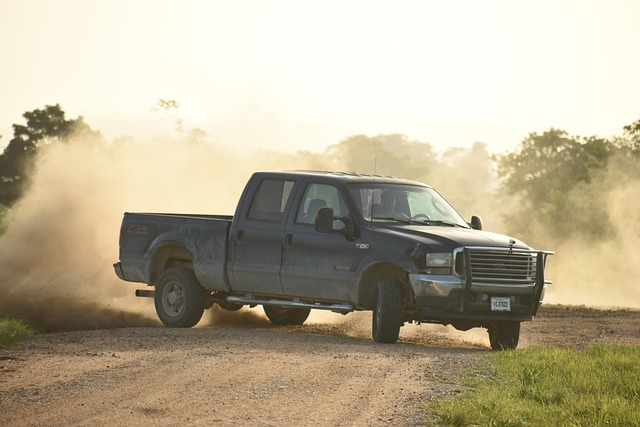
Bumper guards, also known as bumper protectors or bumper pads, are specialized components attached to the front and rear bumpers of trucks. They are designed to absorb and distribute the impact energy during collisions, minimizing damage to the truck’s body and chassis.
How Do They Work in Suspension Repair?
In the context of Brownsville-fleet-truck-suspension-repair, bumper guards serve as a crucial line of defense against damage that could compromise the structural integrity of the vehicle. They work in conjunction with the suspension system, enhancing its ability to handle impacts and preventing excessive movement of the vehicle’s frame.
- Energy Absorption: During a collision, bumper guards deform and absorb a portion of the impact force, reducing the stress on the suspension components.
- Crush Zone: They provide an additional crush zone, allowing the energy from a collision to be dispersed over a larger area, thereby minimizing the risk of damage to vital suspension parts.
- Prevention of Frame Damage: By protecting the front and rear ends of the truck, bumper guards help prevent damage to the chassis and frame, which are critical components of the suspension system.
Benefits of Incorporating Bumper Guards into Fleet Maintenance Programs
1. Reduced Risk of Accidental Damage
Bumper guards significantly lower the likelihood of accidental damage to trucks, which is particularly important for fleet vehicles subjected to frequent stops, starts, and harsh driving conditions. Regularly maintained bumper guards can prevent costly repairs and minimize downtime.
2. Improved Safety for Cargo
In addition to protecting the truck, bumper guards also safeguard cargo, especially in scenarios where a vehicle might rear-end another truck or encounter sudden stops. Well-maintained bumper guards ensure that cargo remains secure, reducing the risk of shifting or damage during transit.
3. Enhanced Resale Value
Trucks equipped with intact and well-maintained bumper guards tend to have a higher resale value. This is because they demonstrate a history of proper care and maintenance, which is attractive to potential buyers.
4. Cost Savings in the Long Run
While the initial cost of installing bumper guards may seem significant, they offer substantial long-term savings. By preventing major suspension repairs and protecting the truck’s structural integrity, bumper guards can extend the life of the vehicle, reducing the need for frequent replacements.
Types of Bumper Guards and Installation Considerations
Custom vs. Universal Bumper Guards
- Custom Bumper Guards: These are designed specifically for a particular truck model, ensuring a perfect fit and optimal protection. Custom guards are ideal for fleet owners seeking tailored solutions.
- Universal Bumper Guards: More generic in design, universal guards may not provide the same level of precision fit but are more affordable and can be adapted to various truck models.
Installation Best Practices
Proper installation of bumper guards is crucial for their effectiveness. Here are some key considerations:
- Professional Installation: For optimal results, bumper guards should be installed by experienced technicians to ensure precise alignment and secure attachment.
- Regular Inspection: Regularly inspect the bumper guards for any signs of damage, wear, or misalignment. Repairs or replacements should be made promptly to maintain their protective capabilities.
- Alignment with Suspension System: Bumper guards should be installed to complement the truck’s suspension system, ensuring they enhance, rather than impede, the vehicle’s overall handling and safety.
Maintenance and Repair of Bumper Guards
When to Replace Bumper Guards
Bumper guards should be replaced if they exhibit any signs of significant damage, deformation, or cracking. Regular visual inspections are crucial to identify potential issues early on.
Common Repairs
- Small Cracks and Chips: These can often be repaired with specialized epoxy or polyurethane adhesives, restoring the guard to its original state.
- Deformed Guards: In cases of severe impact or collision, bumper guards may need to be straightened or replaced entirely to ensure they maintain their protective function.
Preventative Maintenance Tips
- Regular Washing: Keep bumper guards clean to prevent the buildup of dirt and debris, which can lead to corrosion and damage.
- Inspection After Harsh Driving Conditions: Following drives in rugged terrain or high-impact situations, inspect bumper guards for any signs of stress or damage.
FAQ: Addressing Common Concerns about Bumper Guards
Q: Are bumper guards necessary for all trucks?
A: While not mandatory for all trucks, bumper guards are highly recommended, especially for fleet vehicles subjected to frequent stops, starts, and harsh driving conditions. They offer significant protection against accidental damage and can contribute to long-term cost savings.
Q: How often should I inspect my bumper guards?
A: Conduct regular visual inspections of your bumper guards, at least once a month, to check for any signs of wear, damage, or misalignment. This proactive approach ensures that any issues are identified early, allowing for timely repairs.
Q: Can I install bumper guards myself, or do I need a professional?
A: While some universal bumper guards can be installed by vehicle owners, complex installations, especially for custom guards, are best left to experienced technicians. Professional installation ensures proper alignment and secure attachment, maximizing the guard’s effectiveness.
Q: How do bumper guards impact a truck’s fuel efficiency?
A: Well-maintained bumper guards, when properly aligned with the suspension system, can contribute to improved fuel efficiency. By enhancing the truck’s overall stability and handling, bumper guards reduce the energy required to maintain control, potentially leading to better fuel economy.
Conclusion: Invest in Bumper Guards for Optimal Fleet Safety and Efficiency
In the context of Brownsville-fleet-truck-suspension-repair, bumper guards are an essential component of a comprehensive maintenance strategy. They offer significant protection to both the truck and its cargo, enhance safety, and contribute to cost savings in the long run. By understanding the role and benefits of bumper guards, fleet managers can make informed decisions to ensure their vehicles remain reliable, efficient, and safe on the road.
Regular inspections, prompt repairs, and proper installation practices are key to maximizing the effectiveness of bumper guards. By integrating these considerations into fleet maintenance programs, businesses can protect their investments, minimize downtime, and maintain a competitive edge in their operations.