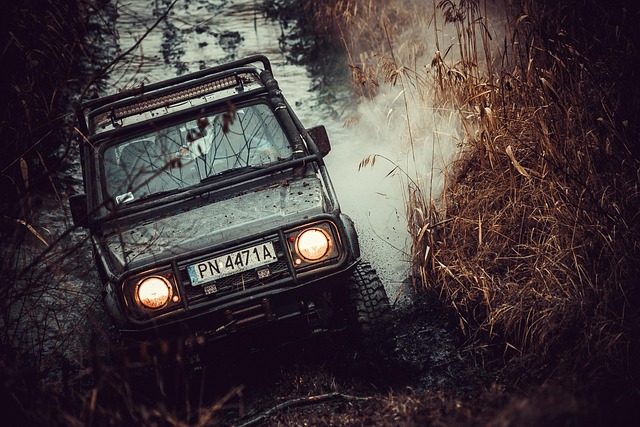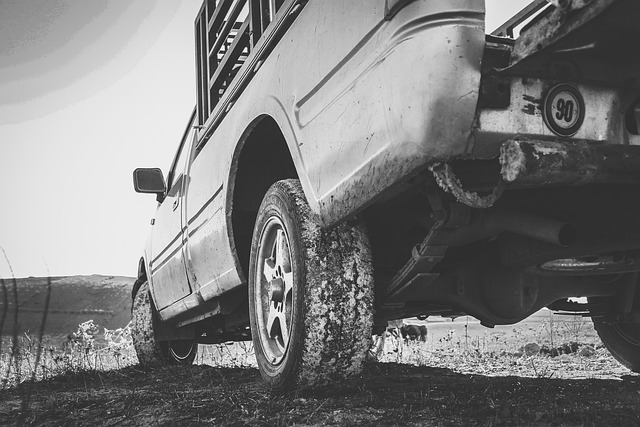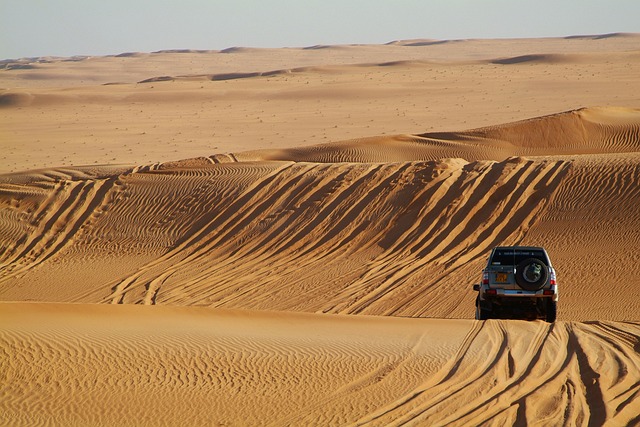

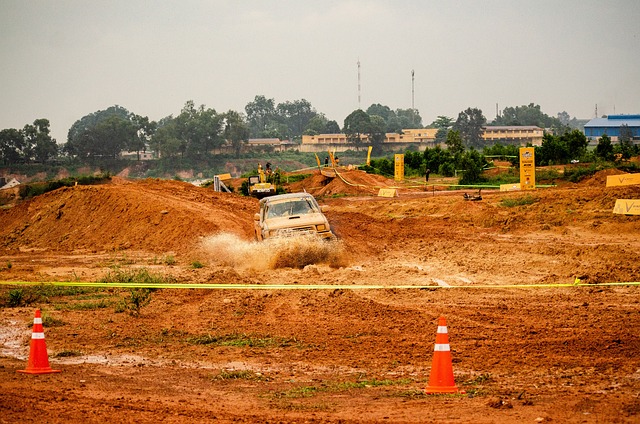
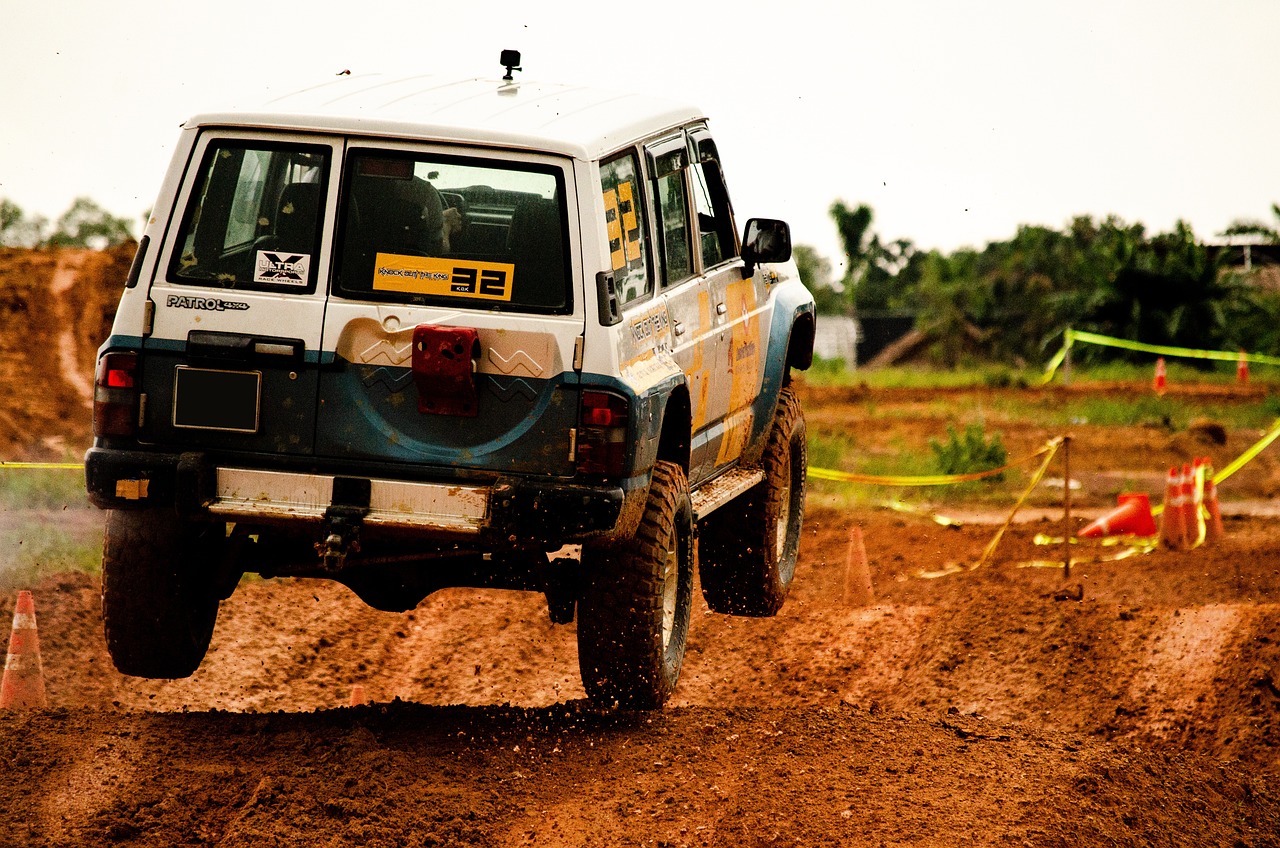
In the world of off-road adventures, few accessories pack as much punch as rock rails. These robust barriers are designed to protect your vehicle and offer unparalleled stability while navigating treacherous terrain. For those seeking to upgrade their Brownsville-4×4-off-road-accessories and enhance their off-roading experience, rock rails are a top choice. This comprehensive guide delves into the world of rock rails, exploring their benefits, installation, and the best options available for your 4×4.
Understanding Rock Rails: The Ultimate Defense Against Rough Terrain
What Are Rock Rails?
Rock rails, also known as skid plates or body guards, are reinforced metal or composite panels that attach to a vehicle’s underbody. They are strategically placed along the sides and front/rear ends to provide protection from rock strikes, debris, and other obstacles commonly encountered off-road.
Benefits of Installing Rock Rails
-
Enhanced Protection: The primary advantage is obvious—they safeguard your vehicle from damage caused by striking rocks, roots, or other trailside hazards.
-
Improved Stability: By increasing ground clearance, rock rails reduce the risk of getting stuck in deep ruts or uneven terrain. They help maintain control and stability during challenging drives.
-
Increased Resale Value: A well-equipped off-roader with intact rock rails often commands a higher resale price due to their appeal among outdoor enthusiasts.
-
Versatility: These accessories come in various designs, allowing customization to match your vehicle’s aesthetics or specific terrain needs.
Types of Rock Rails: Finding the Right Fit
Rock rail designs have evolved to meet diverse off-roading demands and vehicle preferences. Here are some popular types:
1. Front Rock Rails
Front rock rails protect the lower front end, including the grille and engine bay. They are essential for vehicles frequently driven on rugged terrain where rock strikes are common.
2. Side Rock Rails
Side rails provide comprehensive side-to-side protection, shielding the wheels, suspension components, and fuel tank from debris. This type is ideal for navigating tight trails and rocky washes.
3. Rear Rock Rails
Rear rails guard against rock strikes while backing up or driving on steep descents. They are particularly useful for off-roaders who frequently traverse rugged backcountry routes.
4. Full Body Rock Rails
As the name suggests, these cover the entire underbody, offering maximum protection for extreme conditions. Full body rails are a favorite among serious overlanders and those adventuring in remote areas.
Installation: A Step-by-Step Guide
Installing rock rails is a significant upgrade that requires careful planning and execution. Here’s a simplified breakdown of the process:
Preparation
-
Research: Ensure the chosen rock rails are compatible with your vehicle make, model, and year. Check for any required modifications or additional parts needed.
-
Clear the Area: Remove any items or debris around the underbody to provide easy access during installation.
-
Jack and Support: Use a jack and jack stands to safely lift and support your vehicle, allowing for unobstructed access to the underbody.
Installation Steps
-
Remove Lower Body Panels: Depending on the rail design, you may need to remove certain body panels or accessories to gain access to the underbody.
-
Attach Rails: Secure the rock rails using bolts, brackets, or welds as specified by the manufacturer. Ensure all mounting points are correctly aligned and fastened tightly.
-
Reinstall Panels: After completing the rail installation, replace any removed body panels and ensure they are properly secured.
Testing and Final Checks
-
Lower your vehicle and test drive it to ensure smooth operation and no interference with suspension or drivetrain components.
-
Check all bolts for security, and consider tightening them further if possible.
Brownsville-4×4-Off-Road-Accessories: Top Rock Rail Brands
The market offers a plethora of rock rail options, each with unique features and quality levels. Here are some trusted brands leading the way in off-road accessories:
1. Rug Rats Off-Road
Known for their durable construction and custom designs, Rug Rats offers a wide range of rock rails suitable for various vehicle types. Their products are designed to withstand extreme conditions, making them a popular choice among dedicated off-roaders.
2. Super J Custom Fabrication
Specializing in custom fabrication, Super J creates one-of-a-kind rock rails tailored to specific needs. Their hand-welded steel construction ensures strength and longevity. This brand is ideal for those seeking a unique look or specialized protection.
3. Off-Road Rock Rails by SteelMaster
SteelMaster provides a cost-effective solution with their range of pre-fabricated rock rails. These are versatile, easy to install, and backed by a reputation for quality. Their products are designed to provide solid protection without breaking the bank.
4. Overland Rock Rails by Pro-4x
Pro-4x offers a line of rock rails designed with overlanders in mind. Their products incorporate innovative features, such as integrated LED lights and fuel tank shields, making them versatile accessories for long-distance adventures.
Maintenance and Care: Extending the Life of Your Rock Rails
Proper maintenance is key to keeping your rock rails in top condition:
-
Regular Cleaning: Wash and inspect your rock rails periodically to remove dirt, mud, or debris buildup. Use off-road-specific cleaning products to avoid corrosion.
-
Check Bolts: Periodically tighten any loose bolts and replace worn-out hardware to ensure optimal rail security.
-
Inspect for Damage: Examine the rails for cracks, dents, or signs of fatigue, especially after challenging trails or obstacles. Promptly repair or replace damaged sections.
FAQ: Answering Common Questions About Rock Rails
1. Do I need rock rails for everyday off-roading?
Rock rails are primarily designed for severe terrain and off-road adventures. For occasional mild trail driving, they may not be necessary, but they provide peace of mind and added protection for more extreme conditions.
2. Can I install rock rails myself?
Installation complexity varies by rail design and vehicle. While some basic models can be DIY projects, most off-roaders recommend seeking professional assistance, especially for custom or full body rails. Proper installation is crucial for safety and long-term performance.
3. How do I choose the right size/length of rock rails?
The ideal length depends on your vehicle, terrain, and driving style. As a general rule, ensure the rails cover the critical underbody areas without extending beyond the wheels. Some manufacturers offer customizable options to fit specific needs.
4. Are rock rails noisy when driving over rocks?
Properly installed rock rails should not create excessive noise during normal off-road operation. However, extremely rough terrain or poorly fitted rails might produce some clanging sounds. Regular maintenance and a secure fit significantly reduce this issue.
5. Can I use rock rails for on-road driving?
While rock rails enhance off-road performance, they are not typically designed for everyday on-road driving. Using them on paved roads could lead to damage or unsafe handling due to increased ground clearance.
Conclusion: Elevate Your Off-Road Experience
Brownsville-4×4-off-road-accessories, particularly rock rails, represent a significant step in enhancing your off-roading capabilities and safety. With various designs catering to different terrains and vehicle types, you can tailor your rock rail setup to match your adventures. Remember that proper installation and regular maintenance are vital for maximum benefits.
By investing in high-quality rock rails from reputable brands, you’re not just adding accessories; you’re equipping yourself for more memorable and secure off-road excursions. So, whether you’re tackling rugged trails or exploring remote wilderness, let your rock rails be a testament to your adventurous spirit.