

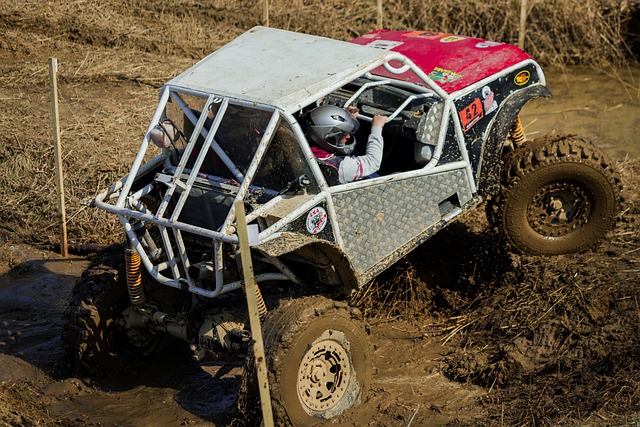
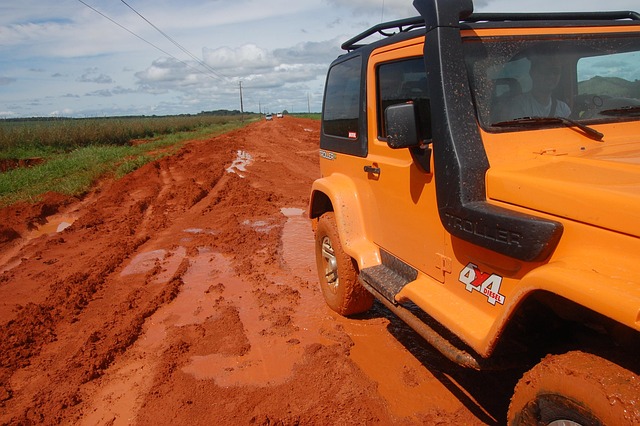

Overland adventures in Brownsville, Texas, can be an exhilarating experience, but they come with inherent risks and challenges. One of the most critical aspects of ensuring a safe and enjoyable journey is being prepared for unexpected repairs. This article offers invaluable tips for overland 4×4 repairs in Brownsville, emphasizing the importance of truck tire replacement services as a cornerstone of your emergency preparedness kit. By understanding when and how to replace tires, you can avoid prolonged delays and potentially dangerous situations while exploring beautiful but rugged landscapes.
Navigating Overland Challenges: Why Truck Tire Replacement Matters
Brownsville’s diverse terrain, ranging from desert dunes to muddy riverbanks, demands robust vehicles equipped for all conditions. Even the best-maintained 4x4s can face unexpected tire failures due to sharp objects, extreme weather, or overloading. When a tire is damaged or severely worn, immediate attention is crucial.
Tips for overland 4×4 repairs in Brownsville focus on being self-sufficient and prepared. Truck tire replacement services play a pivotal role in this strategy by providing:
- Safety: Flat tires can cause accidents, especially at high speeds. Quick tire replacements ensure you can continue your journey safely.
- Mobility: Being stranded due to a flat tire is a common Overland issue. Having the ability to replace a tire yourself increases your chances of reaching assistance or completing your journey.
- Cost Savings: While purchasing new tires might be expensive, learning to replace them can save money in the long run by avoiding tow truck fees and repair costs at remote locations.
Essential Truck Tire Replacement Skills: What You Need to Know
Mastering truck tire replacement is a valuable skill for any overlander. Before embarking on your next adventure, familiarize yourself with these tips for overland 4×4 repairs in Brownsville that cover the basics of tire replacement:
Tools and Equipment Required
- Jack: A sturdy jack compatible with your vehicle’s frame.
- Wrenches: Both a standard lug wrench and a torque wrench for tightening bolts correctly.
- Bead Breaker (or Iron Bar): Used to pry the tire bead away from the rim, making it easier to remove.
- Tire Iron: A specialized tool for separating tire beads.
- New Tire (if replacing a damaged one): Ensure it’s properly inflated and fits your vehicle.
- Safety Gear: Gloves, safety goggles, and a dust mask protect against debris and potential hazards.
Steps to Replace a Truck Tire
-
Find a Safe Location: Pull over to a flat, stable surface away from traffic. Engage the parking brake and block wheels with stones or wooden logs for added security.
-
Locate Your Tools: Ensure all necessary tools are easily accessible before beginning the process.
-
Loosen Bolts: Using your lug wrench, turn the lug nuts counterclockwise until they’re loose but not completely removed. This step is crucial to prevent bolts from breaking off during removal.
-
Remove Hubcap (if applicable): Some vehicles have hubcaps that must be taken off to access the lug nuts. Do this carefully and set it aside.
-
Jack Up the Vehicle: Position the jack under the vehicle’s designated lift point, as specified in your owner’s manual, and raise it until the tire is slightly above ground level.
-
Remove Lug Nuts and Tire Bead: Use your bead breaker or iron bar to pry the tire bead away from the rim. Then, use tire irons to separate the bead completely. Remove the lug nuts and set them aside.
-
Slide Off the Old Tire: Once the tire is free of the rim, carefully pull it off. Set it aside for proper disposal or recycling.
-
Install the New Tire: Place the new tire onto the rim, ensuring the beads line up correctly. Push the bead back onto the rim using your hands and a tire lever if needed.
-
Securely Fasten Lug Nuts: Hand-tighten the lug nuts in a crisscross pattern to ensure even pressure on the tire. Use your torque wrench to achieve the correct tightening specification (usually specified in your vehicle’s manual).
-
Lower the Vehicle: Slowly lower the vehicle from the jack, ensuring all four tires are firmly on the ground.
Common Tire Issues and When to Call for Help
While learning tips for overland 4×4 repairs in Brownsville includes tire replacement, there are times when DIY solutions aren’t sufficient. Here’s what to look out for and when to seek professional assistance:
- Severe Puncture Wounds: If the damage is beyond simple repair or involves large objects piercing the tire, it’s best to call a tow truck or roadside assistance.
- Sidewall Bulges or Cracks: These indicate structural damage that requires professional evaluation and replacement.
- Tire Age and Wear: Even if not visibly damaged, tires older than recommended by the manufacturer should be replaced for safety reasons.
- Tire Pressure Issues: Leaks or consistently low pressure might point to a problem that needs expert attention.
Frequently Asked Questions (FAQs)
Q: How often should I replace my truck tires?
A: Tire replacement depends on various factors, including usage, terrain, and storage conditions. As a general guideline, inspect your tires regularly for wear and tear, aiming to replace them every 60,000 to 80,000 miles or as recommended by the manufacturer.
Q: Can I use a tire repair kit for serious damage?
A: While tire repair kits are useful for minor punctures, they have limitations. Severe damage, large cuts, or sidewall bulges usually require a complete tire replacement to ensure safety and proper vehicle handling.
Q: What is the recommended PSI for my truck tires?
A: Tire pressure varies by vehicle and tire type. Check your owner’s manual or the driver’s side door jamb for the correct PSI. Maintaining proper inflation improves fuel efficiency, handling, and tire longevity.
Conclusion: Empowering Your Overland Adventure
Tips for overland 4×4 repairs in Brownsville are essential tools for any overlander seeking to conquer Texas’ diverse landscapes. Learning how to replace truck tires is a powerful skill that enhances safety, independence, and overall enjoyment of your adventures. By investing time in understanding tire maintenance and replacement, you’ll be better equipped to handle unexpected challenges and continue exploring with confidence.
Remember, while these tips provide a solid foundation, continuous learning and staying up-to-date with vehicle maintenance are key to a successful and safe overland journey. Happy exploring!