

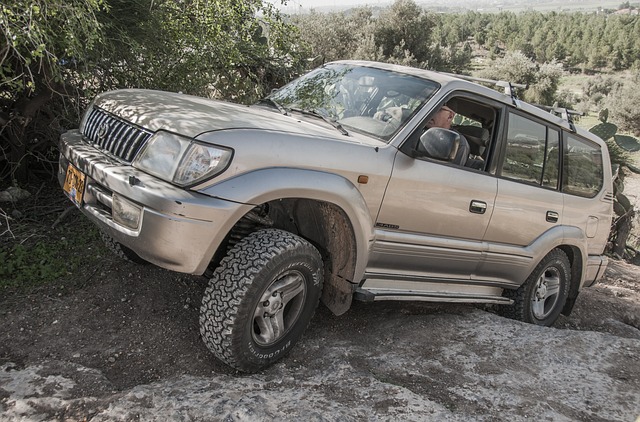

In the world of 4×4 vehicles and off-road adventures, having knowledgeable experts is crucial for navigating challenging terrains. Expert-on-4×4-Brownsville stands out as a go-to resource for owners and enthusiasts seeking guidance on maximizing their vehicle’s capabilities, particularly through the strategic use of recovery lines. This article delves into the significance of recovery lines, offering insights into how they contribute to safer and more efficient off-road experiences.
Understanding Recovery Lines: A Foundation for Safety
What are Recovery Lines?
Recovery lines, also known as tow ropes or recovery straps, are essential safety equipment for 4×4 vehicles. These sturdy lines are designed to assist in extricating a vehicle stuck in difficult situations, providing a secure means of towing or pulling. They are typically made from high-tensile strength materials, ensuring they can withstand the strain of heavy lifting and pulling.
Why are They Crucial for 4×4 Owners?
In the event of getting stuck, whether in mud, sand, or rugged terrain, having recovery lines readily available can mean the difference between a minor setback and a potentially dangerous situation. Expert-on-4×4-Brownsville emphasizes that these lines offer:
- Safety: They provide a secure way to extract vehicles, preventing damage to the vehicle and minimizing the risk of injury to occupants.
- Efficiency: With proper training, off-roaders can efficiently free their vehicles, saving time and avoiding costly repairs.
- Versatility: Recovery lines can be used for various recovery techniques, including winch assistance, manual pulling, or as a support during challenging maneuvers.
The Art of Recovery: Techniques and Best Practices
Different Recovery Techniques
Recovery operations require a comprehensive understanding of various techniques, each suited to specific scenarios:
- Winching: Using a winch, a powerful mechanical device, to apply controlled tension on the recovery line, making it ideal for steep ascents or descents.
- Manual Pulling: Involves physically pulling or pushing a vehicle using recovery lines, often employed for lighter vehicles or when winching is not feasible.
- Support and Stabilization: Recovery lines can be tied off to stable objects, providing support during complex maneuvers, such as getting unstuck from deep mud.
Best Practices for Effective Recovery
Expert-on-4×4-Brownsville offers these tips for successful recovery operations:
- Preparation: Always inspect recovery lines for wear and tear before each trip. Keep them properly stored and easily accessible.
- Matching Vehicle and Line: Ensure the strength of the recovery line matches or exceeds the vehicle’s weight and expected load.
- Proper Knots: Learn various knots suitable for recovery lines, such as the clove hitch or the figure-eight knot, to secure the line effectively.
- Communication: During a recovery operation, clear communication between the driver and the person providing the pull is essential.
- Angle and Tension: Understand the optimal angle and tension for effective pulling, ensuring a smooth and controlled extraction.
Choosing the Right Recovery Lines for Your 4×4
Factors to Consider
Selecting the appropriate recovery lines is vital to ensure their effectiveness and safety. When considering options, keep these factors in mind:
- Material and Construction: Look for high-quality materials like Dyneema or Kevlar, known for their strength-to-weight ratio.
- Length and Capacity: Choose lines that provide adequate reach and support for your vehicle’s weight.
- Abrasion Resistance: Opt for lines resistant to wear, especially in rocky or rough terrain.
- Compatibility: Ensure the lines fit your vehicle’s towing points and winches, if equipped.
Customization for Specific Needs
Expert-on-4×4-Brownsville recommends customizing recovery lines to match individual vehicles and off-road preferences:
- Length Adjustments: Cut and customize lines to fit specific terrain and vehicle requirements.
- Addition of Fittings: Consider adding carabiners, shackles, or other fittings for increased versatility.
- Quick-Release Systems: Invest in lines with quick-release mechanisms for faster deployment during emergencies.
Maintenance and Care: Extending the Lifespan of Recovery Lines
Regular Inspection and Cleaning
Proper maintenance is key to keeping recovery lines in top condition:
- Inspect Regularly: Before and after each trip, check for signs of wear, cuts, or frayed edges.
- Clean Thoroughly: Remove any dirt or debris, as it can weaken the line over time.
- Store Properly: Keep lines dry and stored in a designated area, away from direct sunlight.
Dealing with Common Issues
Despite proper care, issues may arise. Here’s how to address them:
- Abrasion: If a line shows excessive wear, replace it immediately. Avoid using damaged lines.
- Tangles: Use storage solutions like spools or bags to prevent tangles.
- Broken Lines: Never use a broken recovery line. Replace it with a new one immediately.
FAQ: Addressing Common Concerns
Q: How do I know if my recovery lines are strong enough?
A: Always follow the manufacturer’s specifications regarding weight capacity. Test the line’s strength by gently pulling on it; it should not stretch or show signs of weakening. For peace of mind, consider having a professional assess your lines periodically.
Q: Can I use my recovery lines for everyday towing?
A: While recovery lines are versatile, they are designed primarily for off-road recovery. For regular towing, consider investing in dedicated towing hitches and chains, which offer better stability and security for everyday use.
Q: How can I store my recovery lines when not in use?
A: Store them in a dry, cool place, away from direct sunlight. Use storage bags or spools to keep them organized and tangle-free. Ensure they are easily accessible when needed.
Q: Are there any safety precautions I should follow when using recovery lines?
A: Absolutely. Always inspect lines before use, ensure proper knot security, and maintain clear communication during recovery operations. Never overload the lines, and be mindful of your surroundings to avoid damaging surrounding vegetation or structures.
Conclusion: Empowering 4×4 Enthusiasts with Knowledge
Expert-on-4×4-Brownsville has highlighted the significance of recovery lines as essential tools for 4×4 enthusiasts. Understanding their purpose, techniques, and proper maintenance equips vehicle owners to handle challenging off-road situations with confidence. By investing time in learning and preparing, off-roaders can maximize the capabilities of their vehicles and enjoy more extensive adventures with peace of mind.
Remember, knowledge is the key to a safe and exciting off-road experience. Stay prepared, and always prioritize safety when exploring the great outdoors.